Understanding Different Types of Credit Accounts in Canada
In Canada, credit accounts primarily fall into two categories: revolving and installment. Revolving credit, like credit cards or lines of credit, allows you to borrow, repay, and re-borrow up to a certain limit. The amount you owe fluctuates monthly, and you have flexibility in repayment, provided you meet minimum payments.
Installment credit, such as mortgages, car loans, or student loans, involves a fixed loan amount repaid in regular, predetermined installments over a set period. Once paid off, the account closes. Each type plays a distinct role in your financial profile and how lenders view your creditworthiness.
How Credit Mix Contributes to Your Overall Credit Score
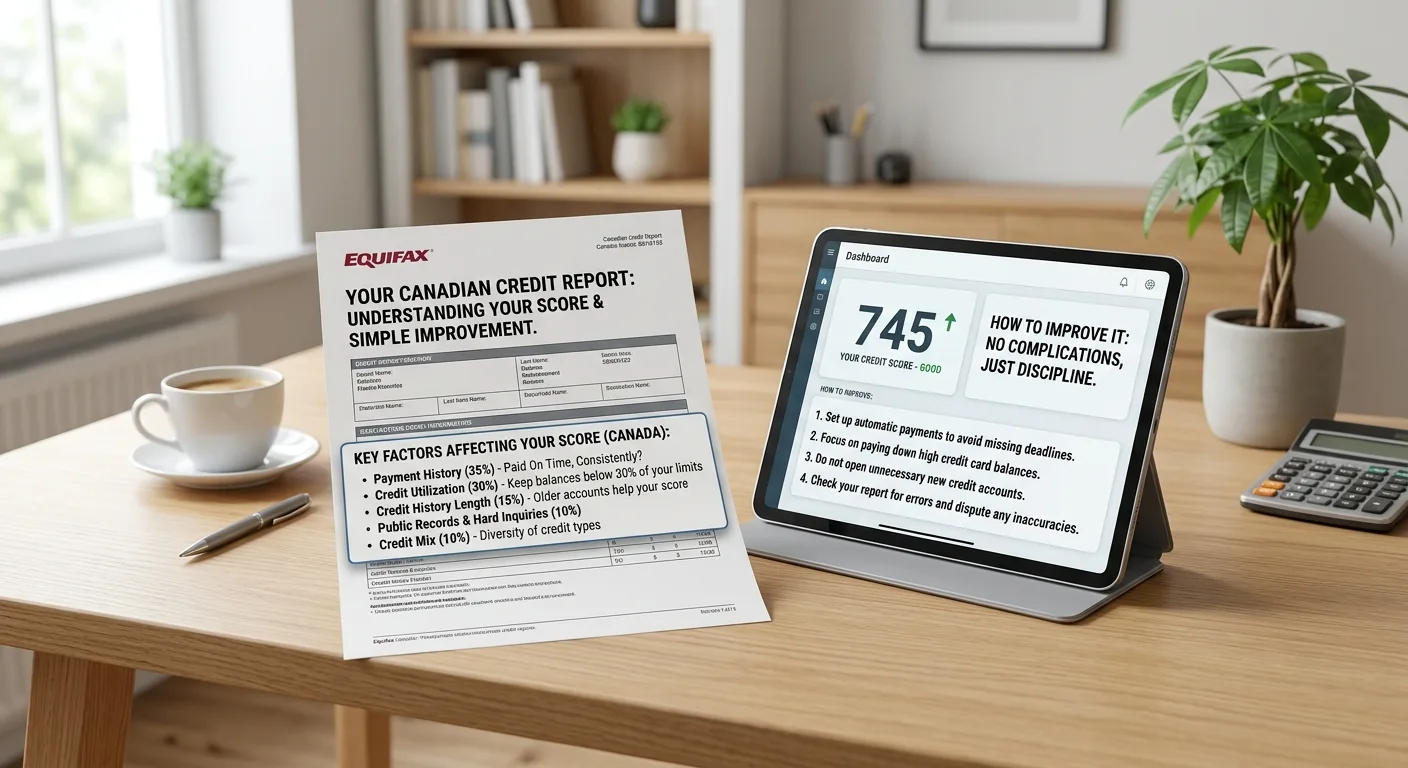
Your credit mix, while not the largest factor, is a noteworthy component of your Canadian credit score. Lenders prefer to see that you can responsibly manage various types of credit. A mix of both revolving and installment accounts indicates a broader financial literacy and less risk than relying solely on one type.
For example, someone managing a credit card (revolving) alongside a car loan (installment) shows their ability to handle different repayment structures. This diversity signals to credit bureaus that you are a versatile and reliable borrower, which can positively influence your score over time.
A truly healthy credit score in Canada reflects not just how much you owe, but how adeptly you manage different facets of your financial life.
Building a Diverse Credit Portfolio Strategically and Responsibly
To build a diverse credit portfolio, consider adding an installment loan if you only have revolving credit, or vice-versa. For instance, a small personal loan, repaid diligently, can introduce an installment component. Always ensure any new credit fits your budget and financial goals.
Avoid opening too many accounts simultaneously, as this can negatively impact your score through multiple hard inquiries. Prioritize responsible borrowing and timely payments above all else. Gradual, thoughtful diversification is key to strengthening your credit mix effectively.
Avoiding Common Pitfalls When Diversifying Your Credit Mix
While diversifying is beneficial, it is crucial to avoid common pitfalls. Do not take on debt you do not need or cannot afford just to improve your credit mix. Excessive debt can quickly outweigh any benefits of a diverse portfolio, leading to financial strain and lower scores.
Also, be wary of closing old accounts once paid off, especially revolving ones, as this can shorten your credit history and reduce your available credit. Strategic management means understanding the long-term impact of each decision on your overall credit health.