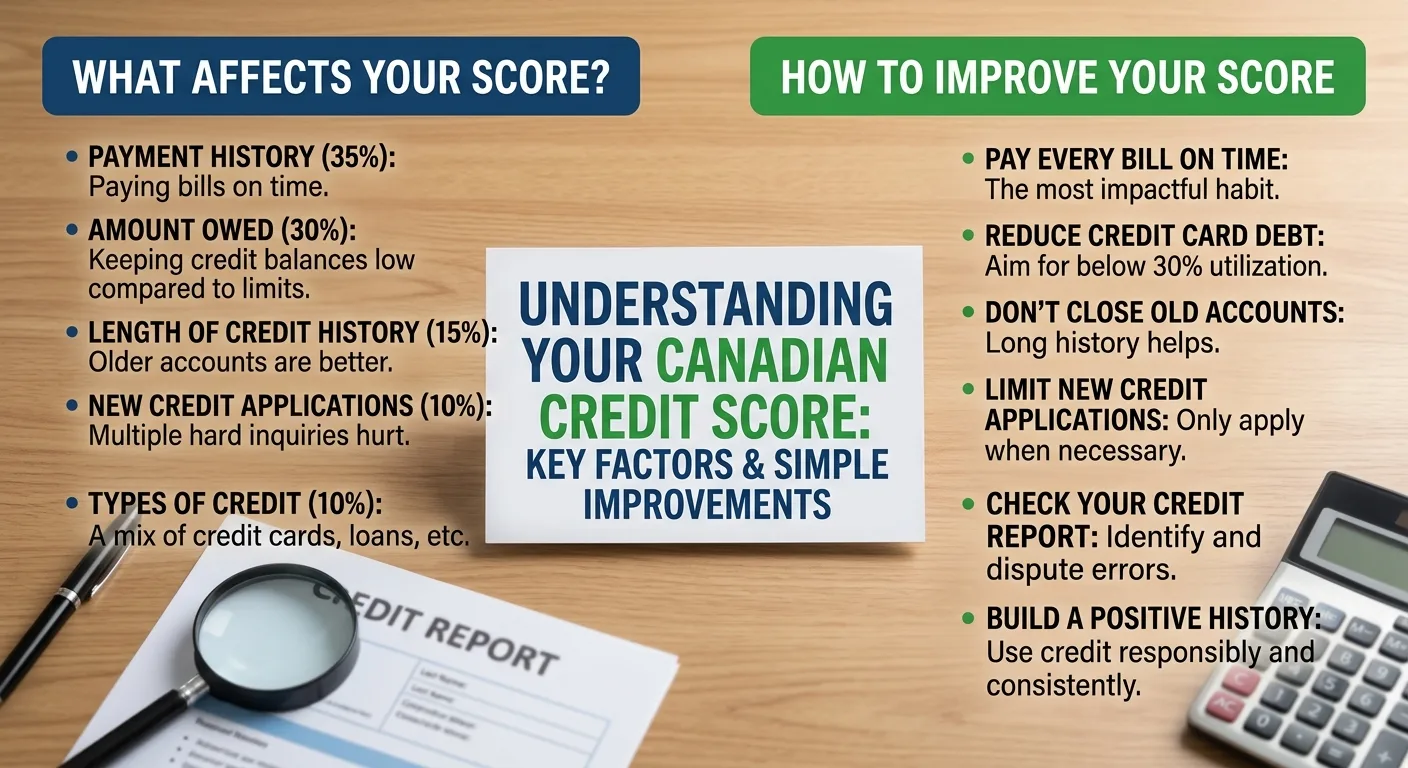
What Constitutes a Hard Credit Inquiry in Canada
A hard credit inquiry occurs when a lender checks your credit report after you apply for new credit, such as a mortgage, car loan, or credit card. This type of inquiry requires your explicit consent and signals to other lenders that you are seeking new credit, which can slightly lower your score temporarily.
These inquiries are recorded on your credit report and remain visible for a few years, although their impact diminishes over time. Lenders use hard inquiries to assess your creditworthiness and determine the risk associated with extending you new credit, playing a crucial role in their decision-making process.
The Minimal Impact of Soft Credit Checks on Your Score
Soft credit checks, on the other hand, do not affect your credit score. These inquiries happen when you check your own credit score, or when lenders pre-approve you for offers without a formal application. They are also used for identity verification or by employers during background checks.
Since soft inquiries are not tied to new credit applications, they are not visible to lenders and do not influence your creditworthiness assessment. You can check your credit score as often as you like without worrying about any negative impact on your financial standing.
Understanding the difference between hard and soft credit checks is crucial for navigating credit applications without unnecessary score damage.
When Multiple Hard Inquiries Can Become Problematic
While a single hard inquiry typically has a minor and temporary effect, multiple hard inquiries in a short period can raise a red flag for lenders. This can suggest that you are desperately seeking credit or taking on too much debt, potentially indicating a higher risk of default.
Lenders may view numerous recent inquiries as a sign of financial instability, making them hesitant to approve your applications or offering less favourable terms. It is important to be mindful of how often you apply for new credit to avoid this perception.
Strategies to Minimize Hard Inquiries When Seeking New Credit
To protect your credit score, apply for new credit only when necessary and after researching the best options. Consider pre-qualification processes, which often involve soft inquiries, before committing to a full application that triggers a hard check.
Additionally, space out your credit applications rather than submitting many in a short timeframe. This approach demonstrates responsible credit management and helps to maintain a healthy credit profile while you explore new financial products.